

Concerned about ketamine addiction risk? Learn what the clinical evidence says about dependence in supervised therapy settings at Bridgeway in Indianapolis.

Will I Become Addicted to Ketamine? What the Evidence Shows
Concern about addiction is one of the questions patients raise before starting ketamine therapy. Given ketamine’s history of recreational misuse, this concern is understandable and deserves a direct, evidence-based answer.
Current research suggests that misuse and dependence are uncommon in carefully monitored clinical treatment settings. However, ketamine has recognized abuse potential, and medical supervision does not eliminate every risk. Understanding the evidence means considering both the safeguards used during treatment and the limitations of available research. [1, 2]
The Distinction Between Clinical Use and Recreational Misuse
Ketamine misuse can involve repeated, unsupervised use and high doses. Ketamine’s prescribing information reports that tolerance and physical dependence can develop with prolonged use. Withdrawal symptoms have been reported after frequent use of large doses over extended periods. [1]
Physical dependence and addiction are related but different concepts. Physical dependence involves the body adapting to repeated exposure, potentially causing withdrawal when the medication is stopped. Addiction involves problematic use, such as difficulty controlling use despite harmful consequences.
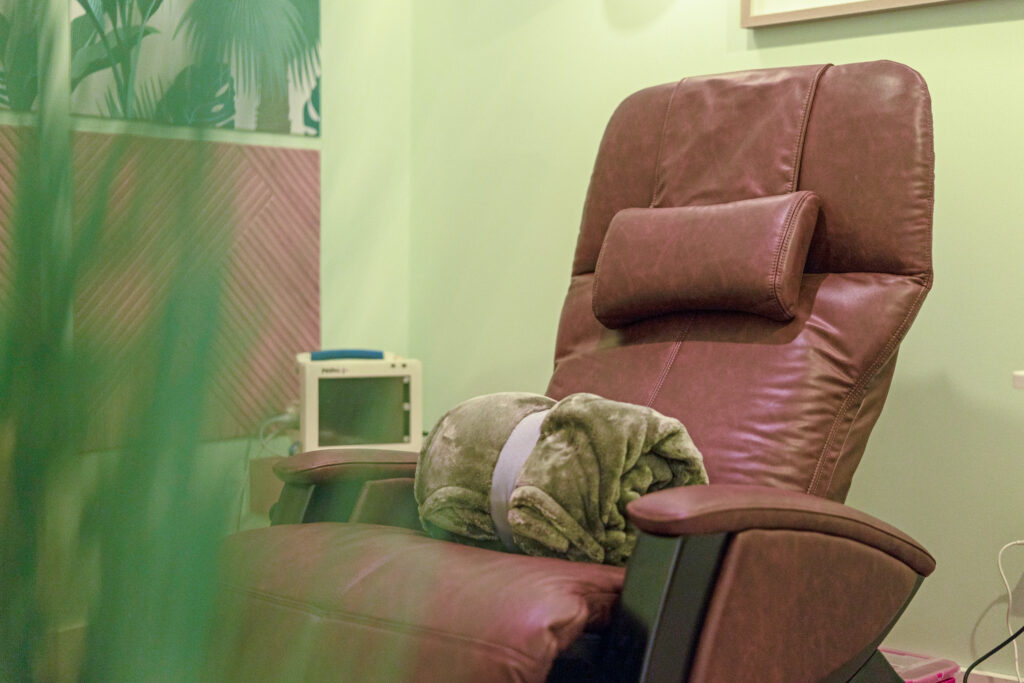
Clinical ketamine treatment involves an assessment of whether treatment is appropriate, clinician-directed dosing, and monitoring. These conditions differ from unsupervised use and provide opportunities to identify and address concerns. [2, 3]
Bridgeway provides physician-guided ketamine therapy in Indianapolis, with individualized treatment and monitoring plans based on each patient’s needs and response. [5, 6]
What Clinical Research Shows About Ketamine Dependence
A 2024 study published in the Journal of Affective Disorders examined long-term outcomes among former National Institute of Mental Health research participants. Researchers assessed 203 people an average of approximately nine years after leaving the research setting; 52 had received ketamine during their original participation. [4]
Receiving ketamine in the original clinical trial was not associated with an increased likelihood of attempting to obtain non-prescribed ketamine. The authors reported that none of the participants who had received ketamine in the trial reported symptoms indicating abuse. However, the study had important limitations, including low follow-up participation and differences in the time since participants left the research setting. It did not establish the safety of years of ongoing maintenance infusions. [4]
A 2026 systematic review published in the Journal of Psychopharmacology examined 30 studies, including 25 clinical studies and five preclinical studies. The clinical studies generally found little evidence of craving, dose escalation, misuse, or illicit use when ketamine or esketamine was administered in controlled, supervised settings. The authors nevertheless emphasized the need for continued monitoring and further long-term research. The review included both ketamine and esketamine, so its findings should not be treated as evidence exclusively about IV ketamine. [2]
An American Psychiatric Association task force consensus statement, published in JAMA Psychiatry in 2017, also emphasized careful patient selection, safety assessment, and the limitations of long-term evidence. This publication was a consensus statement, rather than a meta-analysis establishing that addiction risk is absent. [3]
Together, these sources offer reassurance about monitored treatment while supporting an individualized approach to risk assessment.
How Bridgeway’s Approach Helps Manage Risk
Bridgeway describes an approach that includes medical evaluation, individualized treatment planning, and monitoring during treatment. These safeguards help manage risk, but they should not be described as guaranteeing that problematic use cannot occur. [5, 6]
Clinician-directed dosing and treatment planning. Your provider determines the treatment recommendations based on your medical evaluation, clinical response, and tolerability. Treatment decisions should include discussion of potential benefits, risks, and alternatives. [5, 6]
An individualized treatment schedule. The number and frequency of infusions vary. Some patients who respond may receive maintenance treatment, while others may not. Bridgeway’s FAQs explain that additional treatment is determined individually. [5]
Pre-treatment assessment. Tell your provider about current or previous substance-use concerns, medications, and other relevant medical history. Ketamine’s prescribing information identifies a history of drug abuse or dependence as a factor that may increase the risk of abuse or misuse. [1]
Monitoring and ongoing communication. Bridgeway states that medical staff monitor patients during treatment and afterward according to its discharge procedures. Report side effects, cravings, urges to use ketamine outside treatment, or other concerning changes promptly so your provider can reassess your care. [2, 5]
What About Long-Term Use?
Some patients who respond to ketamine treatment may be considered for maintenance infusions. This raises reasonable questions about the effects of repeated exposure over time.
Available findings from supervised treatment settings are encouraging, but long-term addiction risk has not been definitively ruled out. The 2026 systematic review specifically called for additional prospective, longitudinal research to evaluate misuse over extended treatment periods. [2]
The 2024 follow-up study provides useful information about outcomes after clinical-trial participation, but it does not answer every question about prolonged maintenance treatment. [4]
Continued treatment should therefore involve regular review of benefits, side effects, functioning, and any signs of problematic use.
The Bottom Line on Ketamine Addiction Risk
Ketamine has the potential for misuse, tolerance, and dependence. Research in controlled clinical settings has generally reported low levels of misuse-related outcomes, but this does not mean that every patient faces zero risk. [1, 2]
Screening, clinician-directed treatment, monitoring, and follow-up are important safeguards. Your personal history and response to treatment should remain part of the conversation throughout care.
If you have questions about ketamine’s safety profile, addiction risk, or whether treatment may be appropriate for you, Bridgeway offers a free consultation. Call 317-450-9541 or request a consultation at bridgewayindiana.com. [6]
IV ketamine for depression and chronic pain is off-label. Treatment is not appropriate for everyone. Discuss potential benefits, risks, and alternatives with a qualified medical provider.
References
- KETALAR® (ketamine hydrochloride) injection. Prescribing information. See Sections 9.2, “Abuse,” and 9.3, “Dependence.” DailyMed, U.S. National Library of Medicine.
Read the prescribing information. - Vasudeva S, Lovell GFM, Wong S, et al. Evaluating the abuse liability of ketamine in the treatment of mood disorders: A systematic review. Journal of Psychopharmacology. 2026. doi:10.1177/02698811261453814.
Read the study. - Sanacora G, Frye MA, McDonald W, et al.; American Psychiatric Association Council of Research Task Force on Novel Biomarkers and Treatments. A consensus statement on the use of ketamine in the treatment of mood disorders. JAMA Psychiatry. 2017;74(4):399–405. doi:10.1001/jamapsychiatry.2017.0080.
Read the consensus statement. - Hurst KT, Vogeley A, Greenstein DK, et al. Long-term follow-up of participants in ketamine clinical trials for mood disorders. Journal of Affective Disorders. 2024;357. doi:10.1016/j.jad.2024.04.062.
Read the study. - Bridgeway Indiana. Frequently Asked Questions. Accessed October 30, 2026.
Read Bridgeway’s FAQs. - Bridgeway Indiana. Physician-guided ketamine therapy and consultation information. Accessed October 30, 2026.
Visit Bridgeway.
Book a Consultation
It’s easy and free!